
Bridging the Trust Gap in Peer-to-Peer E-commerce
TIMELINE
PLATFORM
Web & Mobile
ROLE
Design, Research & Strategy
Overview
Safe Keeper is a peer-to-peer e-commerce web application built entirely around transaction security. Unlike traditional marketplaces that simply connect buyers and sellers, Safe Keeper acts as an active, secure intermediary.
By combining strict vendor verification with a milestone-based escrow system, the platform guarantees that buyers receive exactly what they paid for, while protecting honest sellers from fraudulent chargebacks. This case study focuses on the end-to-end design of the web app's core trust mechanics, specifically the vendor onboarding experience and the secure transaction flow.

Problem
The peer-to-peer e-commerce landscape is hindered by a massive lack of trust. Buyers are hesitant to purchase due to the constant threat of scams specifically fake vendors, damaged goods, and the infamous "what you ordered versus what you got" scenario.
When things go wrong on traditional platforms, users are forced into reactive customer support loops, resulting in frustrating, weeks-long dispute resolutions.
We needed to design a system that proactively solved three core friction points:
Buyer Anxiety: The fear of receiving misrepresented or defective items with no immediate, clear path to a refund.
Seller Vulnerability: Exposure to malicious buyers who falsely claim an item was damaged or never arrived to force a chargeback.
The Resolution Bottleneck: The high operational cost and churn associated with manually investigating "he-said, she-said" disputes.
Impact
Fewer Support Tickets
Solution
The Core Friction Matrix
To understand why P2P transactions fail, we interviewed 15 frequent online buyers and 10 independent sellers.
78% of Buyers admitted abandoning high-value marketplace deals due to the inability to verify the item's condition before payment.
62% of Honest Sellers reported being targeted by buyer return scams (e.g., buyers swapping working items with broken ones to force a refund).
The Root Cause: Existing platforms handle trust reactively through support tickets instead of proactively through product mechanics.

01. Buyer Flow: The Escrow Checkout
The Fix: We redesigned the standard checkout flow to include an explicit "Safe Keeper Escrow" indicator. Buyers are reassured that their payment is held in a neutral vault, not sent directly to an unverified vendor.
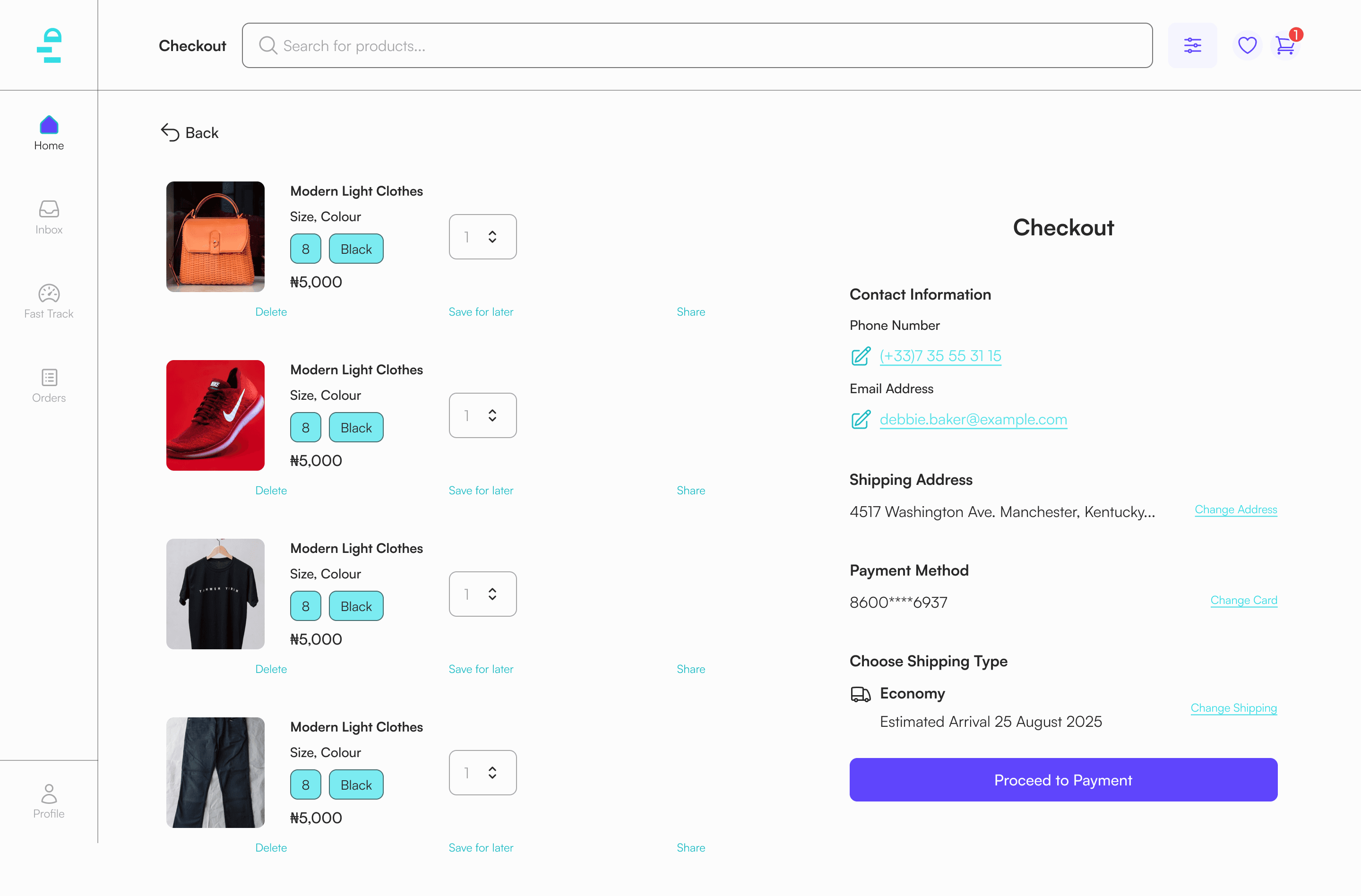
Reduces cart abandonment for high-ticket items by eliminating pre-purchase
anxiety. The buyer knows they hold the leverage until the item arrives safely.
Scalable Foundation: The Design System
A dual-sided marketplace requires absolute visual consistency to maintain user trust. We built a modular component library, sharing core atoms (buttons, form inputs, typography) across both the Buyer and Seller ecosystems to keep the platform feeling unified.

Eliminates payment anxiety by guaranteeing money is safe
before the package ever arrives.
Seller Flow: Transparent Payouts
Trust isn't just for buyers. The seller dashboard translates complex escrow states (Pending Verification, Funds Released, Available Payout) into simple, glanceable widgets.

Keeps honest sellers informed about exactly where their money is. Once a buyer verifies a delivery, funds automatically move from escrow to the seller's clear payout balance.
03. Frictionless Vendor Onboarding
Built a rigid but intuitive product upload architecture. By forcing standardised inputs (condition, real-time photos) during the upload phase, we create an undeniable baseline for what the buyer should expect.

Proactively stops "What I ordered vs. What I got" disputes before they
happen by ensuring high-quality, verified listings.
Learning
Trust is a Two-Way Street: A system that only protects the buyer leaves honest sellers vulnerable to malicious return scams. Designing for mutual protection is mandatory for marketplace health.
Prevention > Dispute Resolution: Shifting design effort from post-purchase dispute support to pre-purchase verification cut potential platform overhead significantly.
Demystifying Financial States: Financial UX requires absolute clarity. Translating complex escrow states into plain, friendly microcopy prevents unnecessary support tickets.
Other Works


